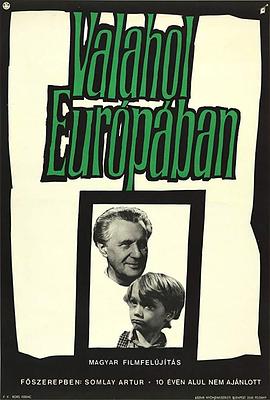
《欧洲的某个地方》是
1948 年
其它 地区上映的一部热门
剧情片 作品,由
Radványi Géza 导演执导,
Artúr Somlay Miklós Gábor Zsuzsa Bánki 等明星演员参演的
电影片 作品,目前更新状态为:
HD中字,已经获得
690位 忠实粉丝的青睐。《欧洲的某个地方》讲述了:我以前不信一见钟情,后来照了照镜子,又看了看你,嗯,科学无法解释的现象出现了Somewhereintheremoteregion,thewarends.Inthemidstofruinedcitiesandhousesinthestreets,inruralhamlets,everywherewherepeoplestilllive,arechildrenwhohavelosttheirhomesandparents.Abandoned,hungry,andinrags,defenselessandhumiliated,theywanderthroughtheworld.Hungerdrivesthem.Littlestreamsoforphansmergeintoariverwhichrushesforwardandsubmergeseverythinginitspath.Thechildrendonotknowanyfeeling;theyknowonlytheworldoftheirenemies.Theyfight,steal,struggleforamouthfuloffood,andviolenceismerelyameanstogetit.AgangledbyCahounfindsarefugeinanabandonedcastleandencountersanoldcomposerwhohasvoluntarilyretiredintosolitudefromaworldofhatred,treason,andcrime.Howcantheyfindacommonground,howcantheybecomemutualfriendsThecastlebecomestheirhidingplacebutpossiblyitwillalsobetheirfirsthomewhichtheymayorganizeandmustdefend.Butevenforthis,thepricewillbeveryhigh. Tothissimplestory,thejournalist,writer,poet,scriptwriter,moviedirector,andfilmtheoreticianBélaBalázsappliedmanyyearsofexperience.HeandthedirectorGézaRadványicreatedaworkwhichopenedanewpostwarchapterinHungarianfilm.Surprisingly,thisfilmhasnotlostanyofitsimpactovertheyears,especiallyonaprofoundphilosophicallevel.Thatistosay,itisnotmerelyamovieaboutwar;itisnotimportantinwhatlocationandinwhatperiodoftimeittakesplace.Itisastoryoutsideoftimeaboutthejoylessfateofchildrenwhopaydearlyforthecruelwargamesofadults. Atthetimeitwaspremiered,themoviewasenthusiasticallyreceivedbythecritics.Themainrolesweretakenbystreetwiseboysofachildren'sgroupwhocreatedtheirrolesimprovisationallyinclosecontactwithafewprofessionalactors,andinthechildren'sactingtheirownfreshexperienceofwar'sturmoilappearstobereflected.Atthesametime,theirperformancefitsadmirablyintothemosaicofaverycomplexmovielanguage.Balázs'sinfluencerevealeditself,aboveall,intheintroductorysequencesanairraidonanamusementpark,seeninamontageofdramaticsituationsevokingthelastspasmsofwar,where,undoubtedly,wediscerntheinfluenceofclassicalSovietcinematography.Shooting,theboy'sescape,thelocomotive'swheels,theshadowsofsoldierswithsubmachineguns,thesoundofawhistle—theimagesarelinkedtogetherinabruptsequencesinwhichvaryingshotsandexpressivesharpsoundsareemphasized.Aperfectlyplannedscreenplayavoidedallelementsofsentimentality,time-wornstereotypesofwrongedchildren,romanticismandcheapsimplification.Theauthorssucceededinbridgingtheperilousdramaticabyssofthemetamorphosisofachildren'scommunity.Theirtellingofthestory(thesceneofpillaging,theassaultonthecastle,etc)independentlyintroducedsomeneorealistelementswhich,atthattime,werebeingpropagatedinItalybyDeSica,Rossellini,andotherfilmartists.Therebukesofcontemporarycritics,whocalledattentiontoformalismforitsownsakehavebeenforgotten.ThemasterlyartofcameramanBarnabásHegyigivesvitalitytothepoeticimages.Hisangleshotsofthechildren,hiscompositionofscenesinthecastleinterior,arealivingdocumentofthetimes,andunderlinetheatmosphereandthecharactersoftheprotagonists.ThesuccessofthepicturewasalsoenhancedbythemusicalartofcomposerDénesBudaywho,intensesituations,insertedthethemeoftheMarseilaiseintothemovie'sstructure,asamotiveofcommunityunification,asanexpressionoffriendshipandthepossibilityofunderstanding. ValaholEuropabanisthefirstsignificantpostwarHungarianfilm.Itoriginatedinarelaxedatmosphere,repletewithjoyandeuphoria,anditincludestheseelementsinordertodemonstratethestrengthofhumanism,tolerance,andfriendship.Itrepresentsageneralcondemnationofwaranywhereintheworld,inanyform.
 排序
排序